







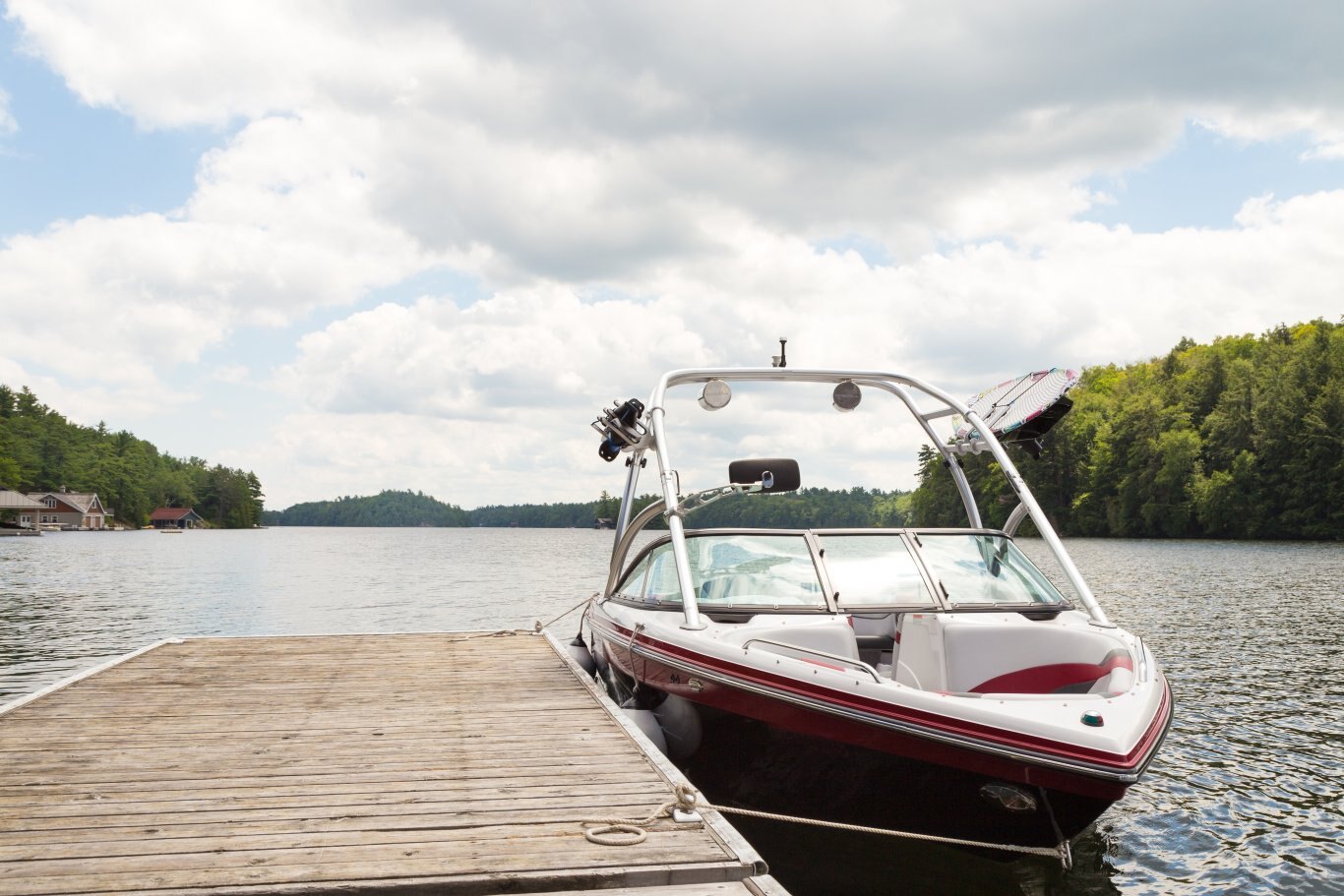


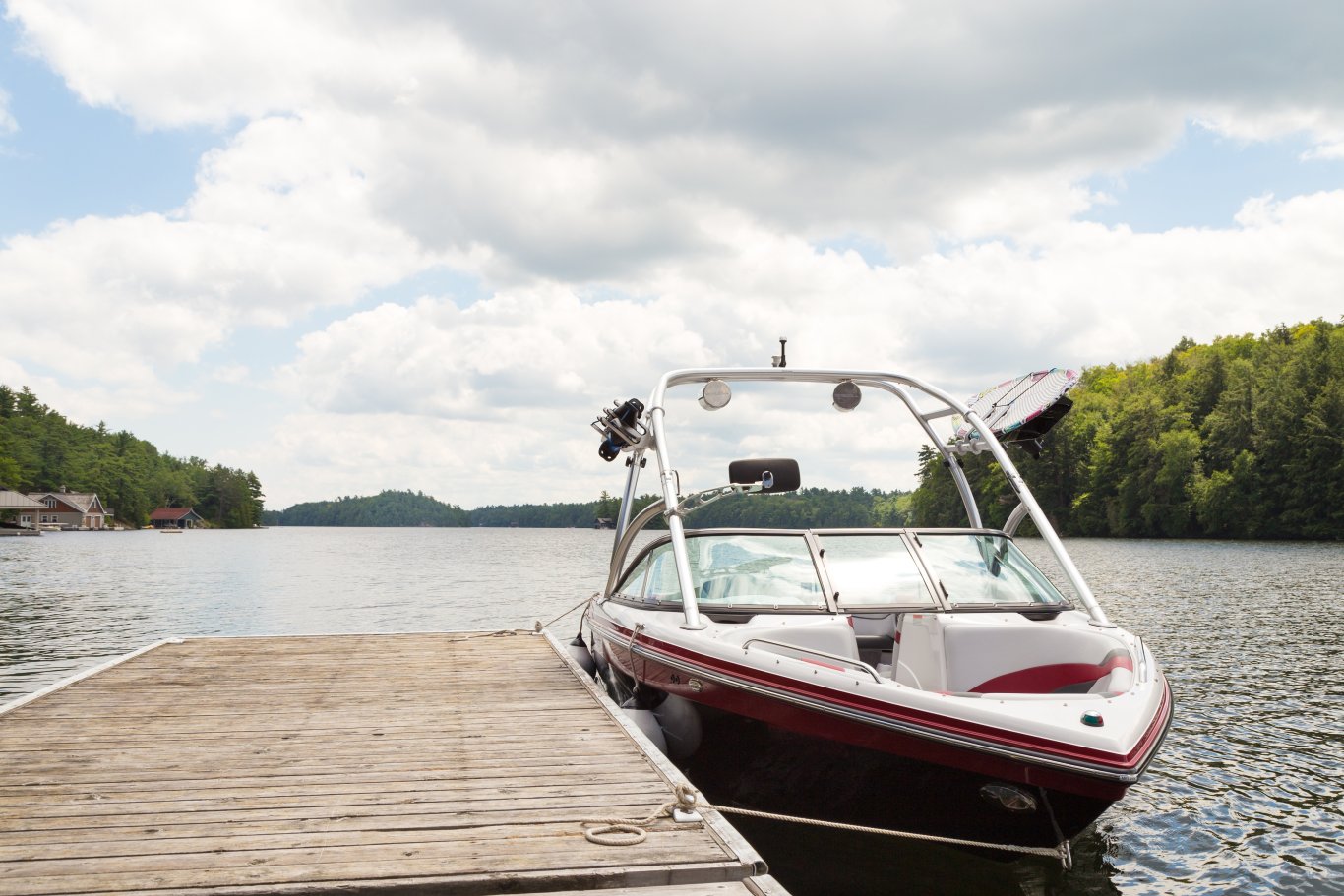
Understanding the life expectancy of a used boat is crucial for deciding on your marine investment. This guide will provide valuable insights, leading you through some key points to consider—so read on to learn more!
Significance of Hull Inspections
The hull is the body of the boat and its condition tells a lot about how long the boat might possibly last. Signs of serious wear and tear, such as cracks and blisters, should raise a red flag about long-term viability.
Importance of Maintenance History
A well-kept maintenance logbook not only reflects how well the previous owner took care of the boat but also gives an indication of potential future issues. Regular service history is likely to imply a higher life expectancy.
Necessity for Engine Assessment
Much like automobiles, routine engine checks are necessary in ascertaining the lifespan of used boats too. An engine with low hours generally signifies lesser wear and tear — usually a good sign.
Role of Brand Reputation
Purchasing boats from brands known for quality and durability often yields longer-lived boats.
OEM parts play a significant role in ensuring their longevity—always stick with trusted brands.
Value of Professional Inspection
Having professionals assess your potential purchase could be extremely beneficial. Not only will they be able to uncover hidden flaws, but they also have knowledge of expected life spans based on material type, build quality, and more complex aspects that may go unnoticed by non-professionals.
We hope this guide has shed some light on how to determine the life expectancy of a used boat. Interested in finding the perfect used boat for sale? Howell's Marine Sales & Service would be delighted to assist you further in making an informed decision. We're proudly located in Chatham, ON, serving London. Come visit us today and let our friendly experts help make your boating dreams come true!